
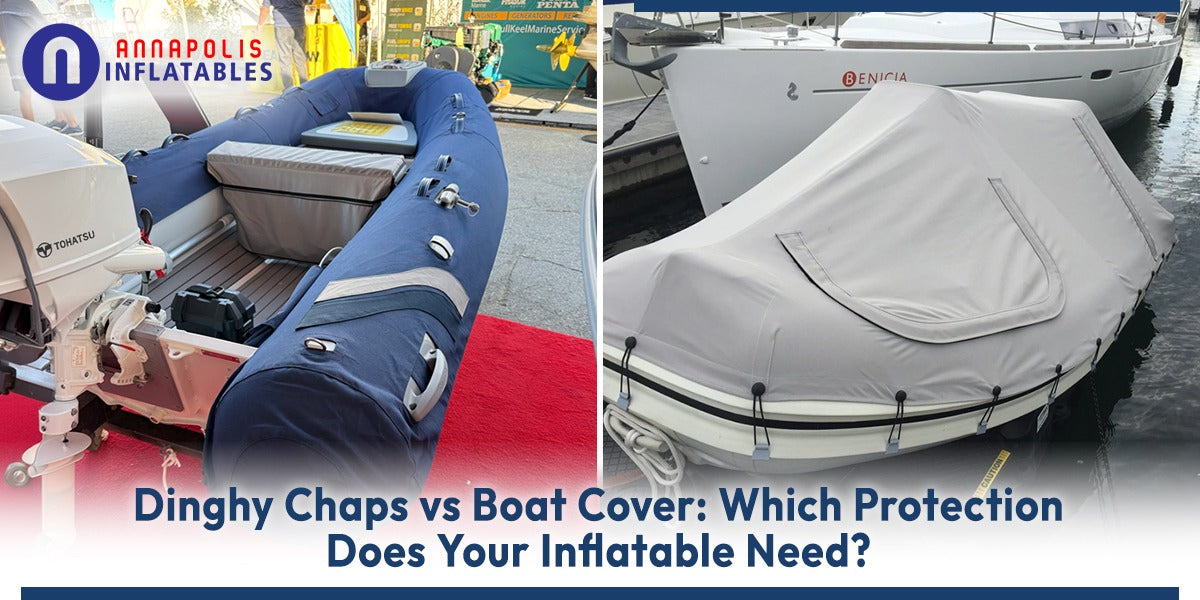
Dinghy Chaps vs Boat Cover: Which Protection Does Your Inflatable Need?
Protect your inflatable boat with the right defense. Custom dinghy chaps shield tubes from UV damage, dock chafe, and beach abrasion while underway. Full boat covers protect the floor, seats, and motor during storage. Combine both for complete, year-round tube longevity and weather protection.
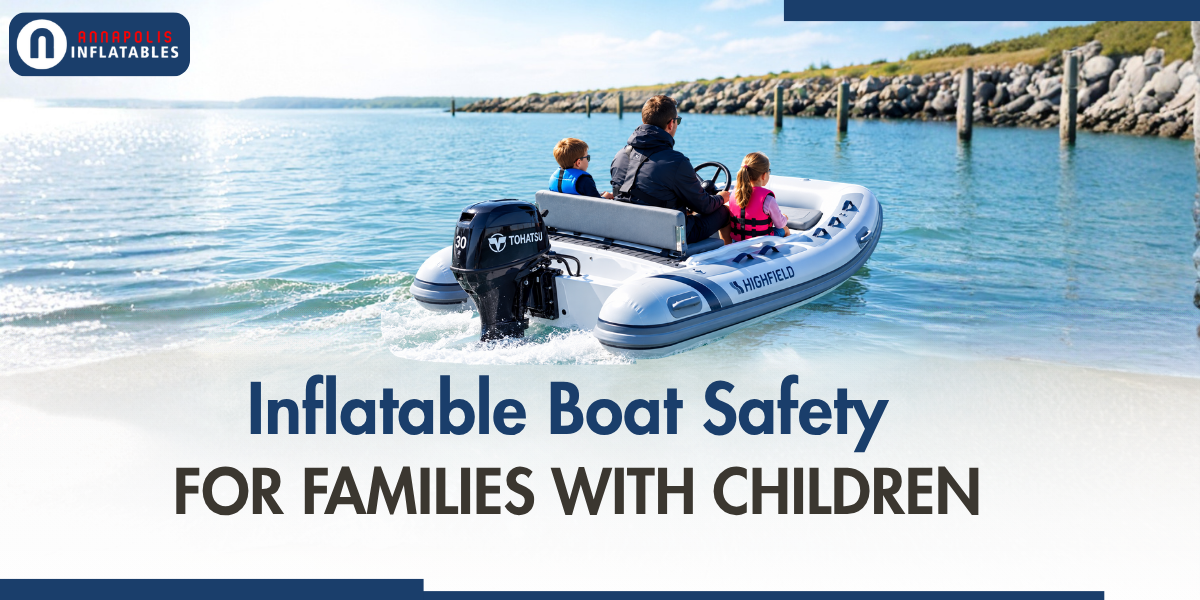
Inflatable Boat Safety for Families with Children
A practical safety guide for parents taking children on an inflatable boat. Covers federal PFD requirements, tube pressure checks, age-group rules from infants to teenagers, inflatable-specific boarding technique, and what to do if a child goes overboard everything families need before their first outing
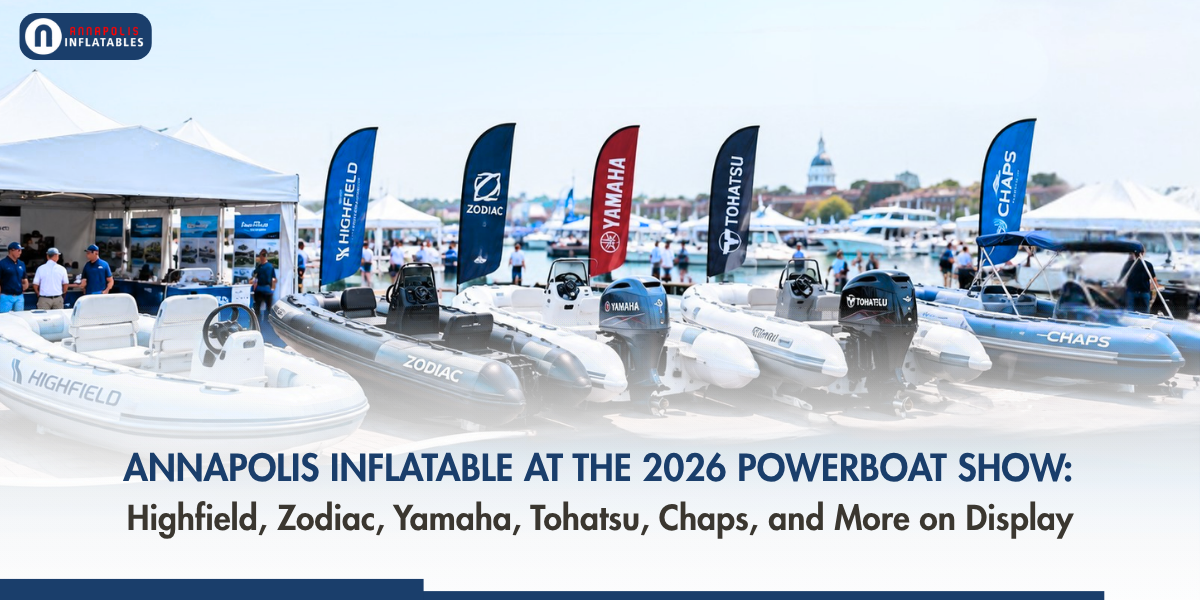
Annapolis Inflatables at the 2026 Powerboat Show: Highfield, Zodiac, Yamaha, Tohatsu, Chaps, and More on Display
Annapolis Inflatables is exhibiting at the 2026 Annapolis Powerboat Show, October 8–11 at City Dock. See 16 boats across two booths — Zodiac at Land 10 and Highfield at Land 11 and 12 including two new Zodiac debuts, Yamaha motors, Tohatsu motors, Chaps, and NeverSoft. Exclusive show discounts available at both booths during show days only.
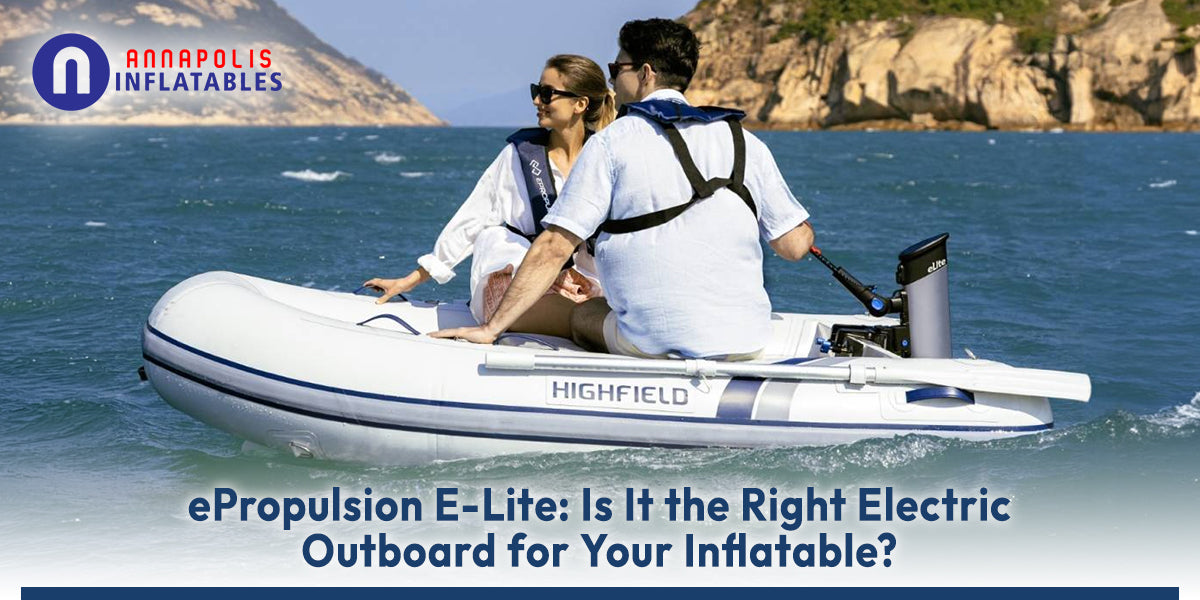
ePropulsion E-Lite: Is It the Right Electric Outboard for Your Inflatable?
The ePropulsion E-Lite is the smallest and lightest motor in the ePropulsion range. At 500W nominal power, 750W in Sport mode, with an integrated 378Wh lithium-ion battery and a total weight of 14.7 lbs excluding the bracket, it is a genuinely compact electric outboard built for small inflatables and tenders.
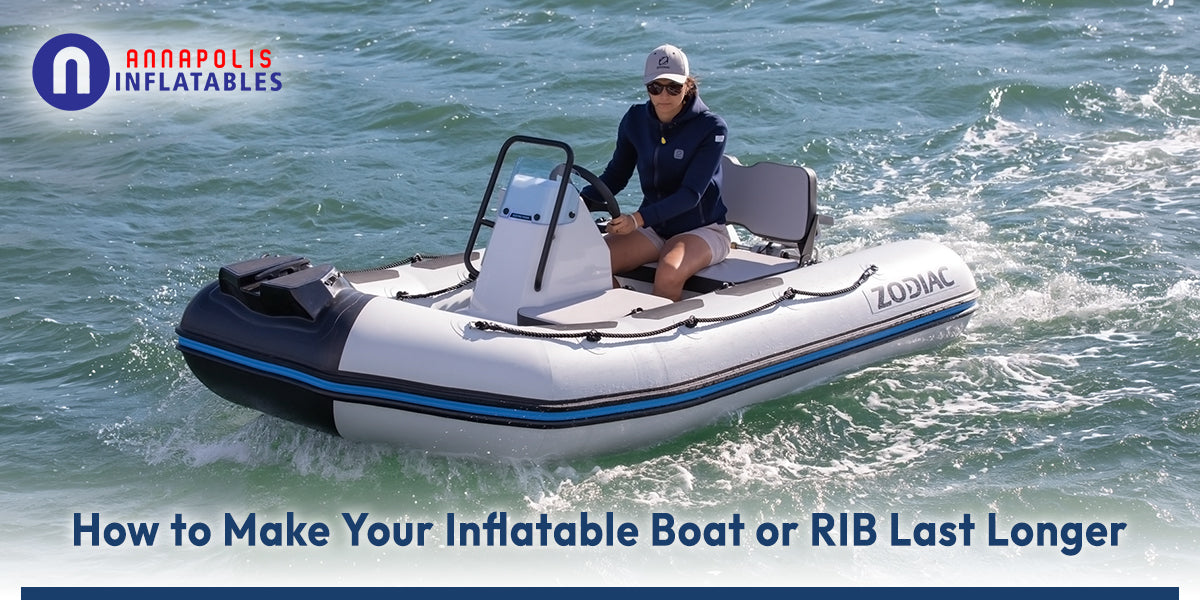
How to Make Your Inflatable Boat or RIB Last Longer
A well-maintained inflatable boat from a reputable manufacturer can deliver 15 to 20 years of reliable service. The same boat, neglected or stored incorrectly, may show serious tube degradation within five years. The boat does not determine its own lifespan; the owner does.
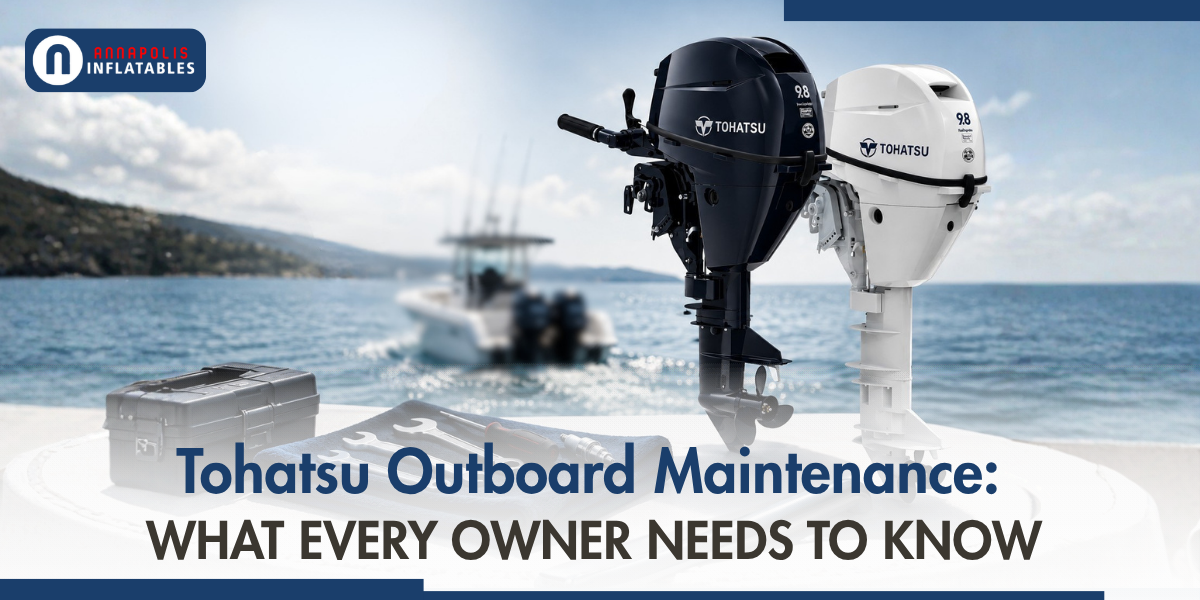
Tohatsu Outboard Maintenance: What Every Owner Needs to Know
A complete Tohatsu maintenance guide for MFS and BFT outboard owners, organized by service frequency. Covers carbureted versus EFI maintenance differences, jet drive care, saltwater flushing by model, spark plug diagnostics, gear oil inspection, and anode selection for Chesapeake Bay conditions. Includes a professional service checklist for Annapolis Inflatables' authorized Tohatsu service center.
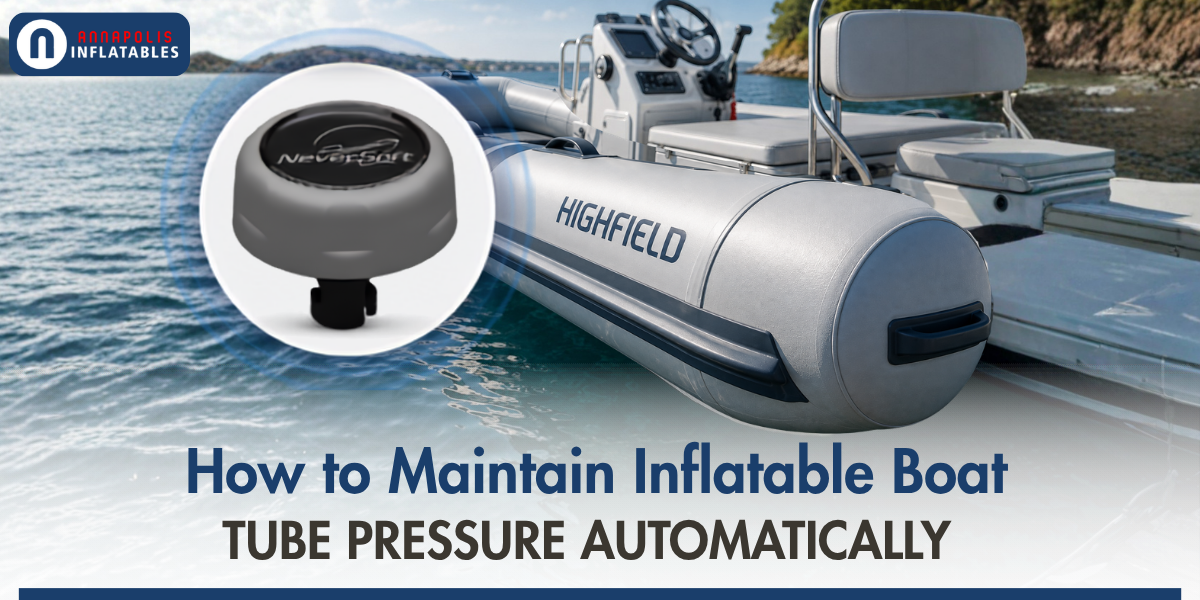
How to Maintain Inflatable Boat Tube Pressure Automatically
Explains why manual tube pressure management fails and how the NeverSoft automatic valve cap solves it. Covers compatibility across Halkey-Roberts, Leafield, and Zodiac valve types with brand-specific PSI recommendations, step-by-step installation, the 5 to 7 day learning period, and the performance, fuel efficiency, and longevity benefits of consistent tube pressure. NeverSoft caps are available at Fawcett Boat Supplies at $139 per chamber.
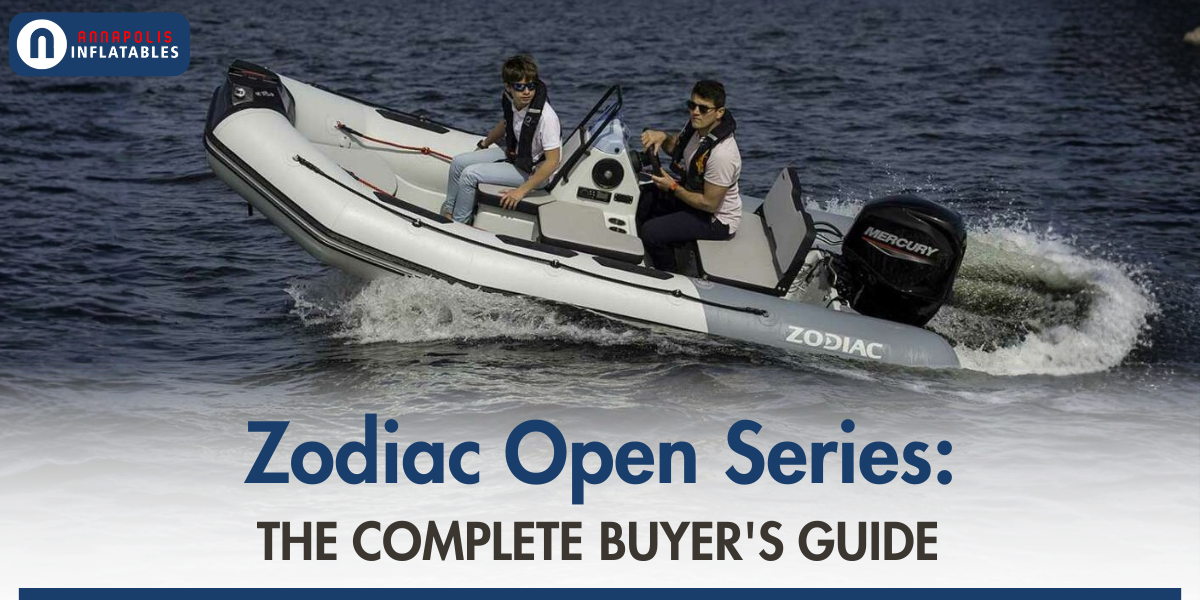
Zodiac Open Series: The Complete Buyer's Guide
A complete guide to the Zodiac Open Series, covering all six models across three groups, Open 4.2, 4.8, 5.5, 5.5 Gulfstream, 6.5, and 6.5 Gulfstream. Explains what makes the Open Series different, how to choose between standard and Gulfstream variants, on-water performance in Chesapeake Bay conditions, engine selection by model, and a step-by-step buying checklist. The Open 6.5 is Zodiac's best-selling model in the range
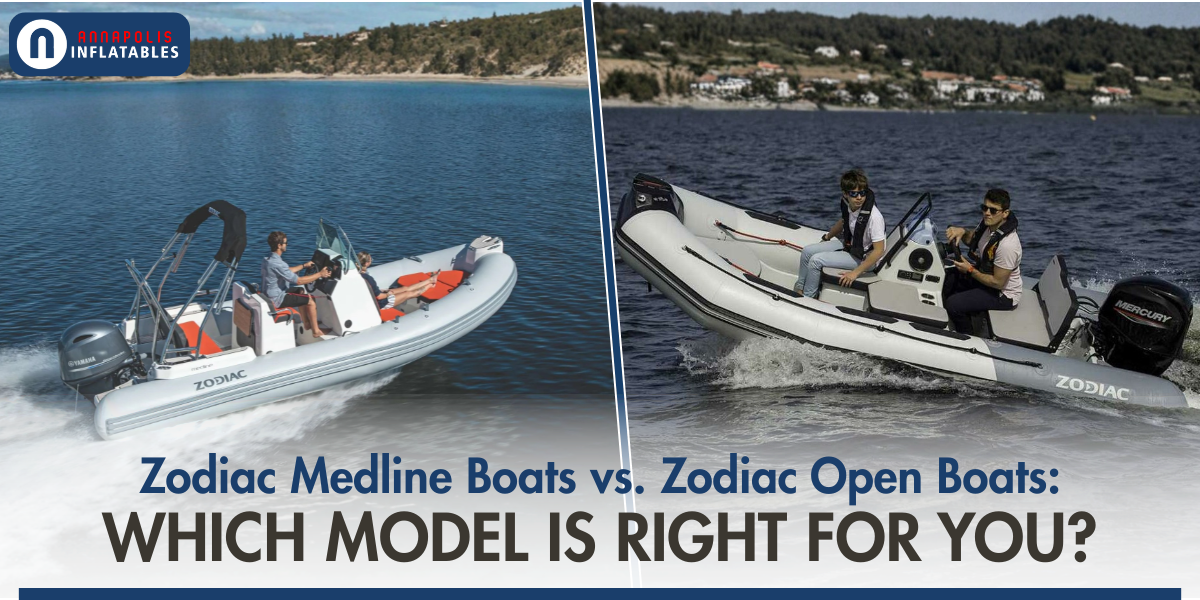
Zodiac Medline Boats vs. Zodiac Open Boats: Which Model Is Right For You?
Compares the Zodiac Medline and Open Series across hull construction, passenger capacity, performance, comfort features, and intended use. The Medline suits premium leisure cruising and entertaining with fiberglass hull and Hypalon tubes; the Zodiac Open Series suits versatile day boating at a more accessible price point. Helps buyers understand the step-up between series and match the right Zodiac RIB to their use case and budget.
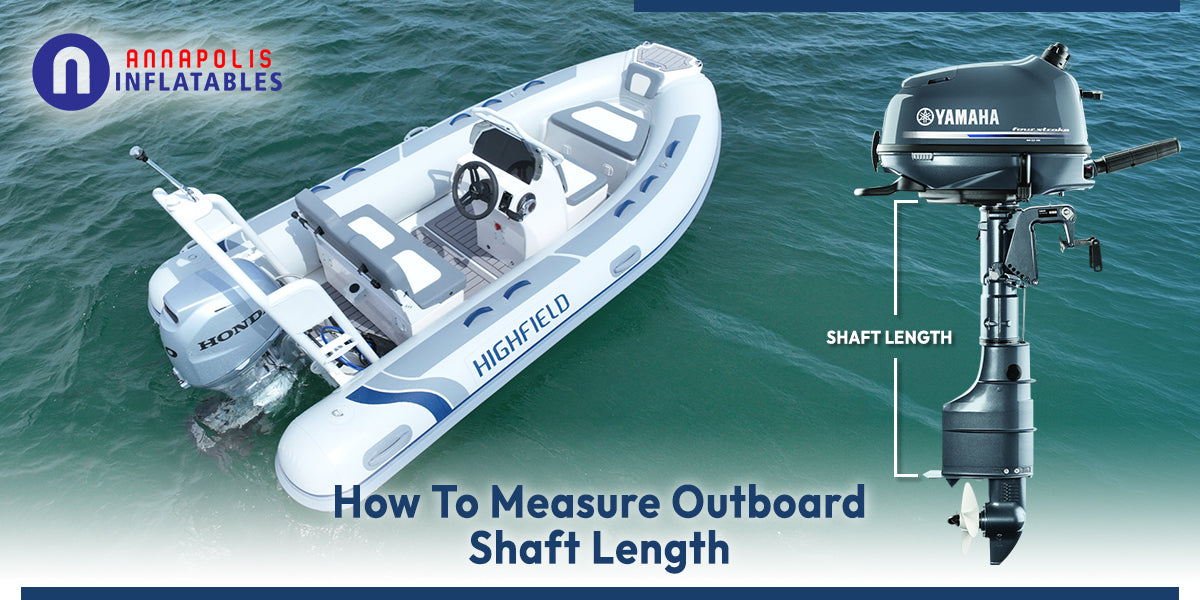
How to Measure Outboard Shaft Length
A step-by-step guide covering how to measure outboard shaft length correctly for inflatable boat owners, including short, long, and extra long shaft designations in inches and millimetres. Explains why inflatables require different considerations than rigid hull boats, covering tube inflation effects on transom height and load sensitivity. Includes brand-specific shaft availability across Tohatsu, Yamaha, Mercury, and Suzuki, plus on-water verification checks.
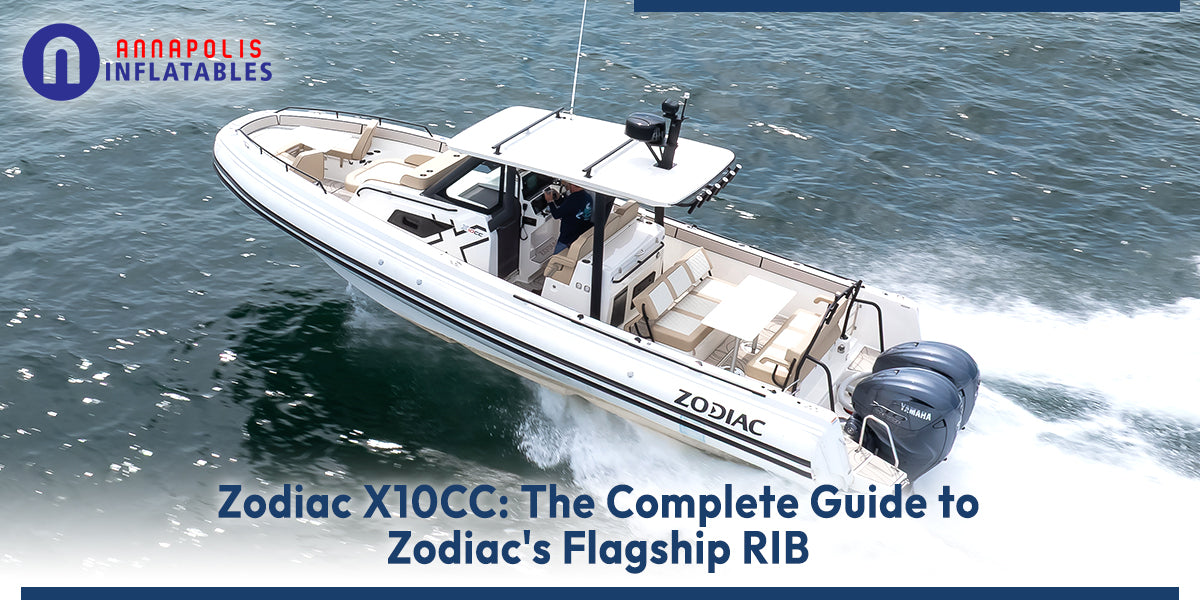
Zodiac X10CC: The Complete Guide to Zodiac's Flagship RIB
A comprehensive guide to the Zodiac X10CC, the largest boat Zodiac has ever built. Covers performance including 60-knot top speed, 3L per nautical mile fuel consumption, and 250 nautical mile range; onboard living including cabin, kitchen, and double saloon; configuration options across engine choice, tube finish, etc.; and why Annapolis Inflatables as an authorised Zodiac dealer is the right partner for this flagship RIB.
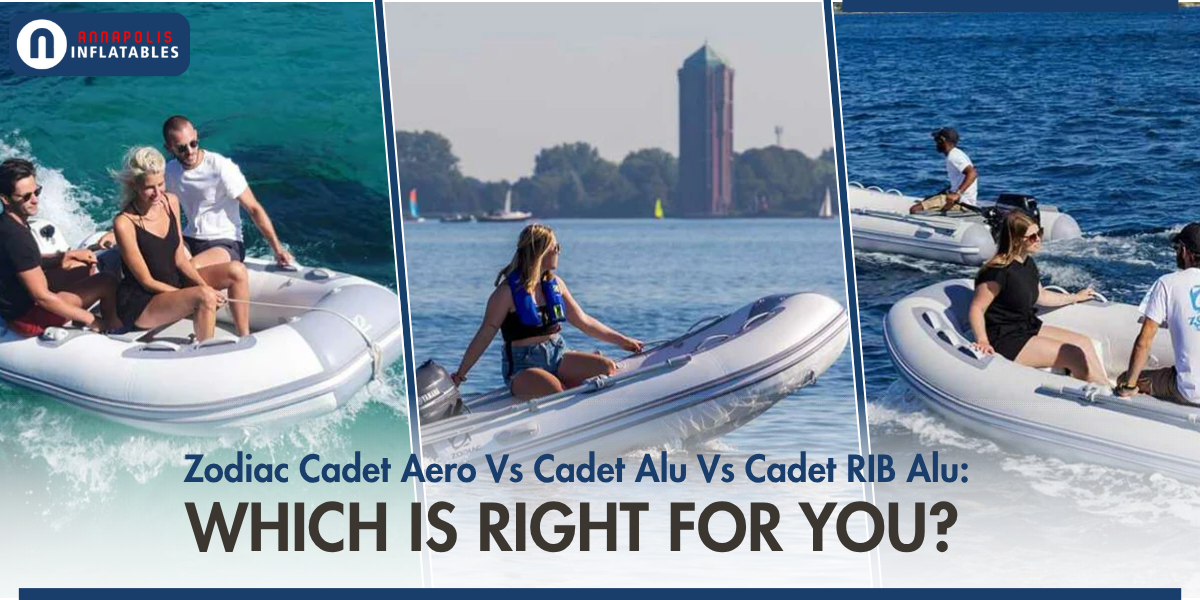
Zodiac Cadet Aero Vs Cadet Alu Vs Cadet RIB Alu: Which Is Right for You?
Compares three Zodiac Cadet lines across portability, floor construction, engine compatibility, stability, and ideal buyer profile. The Cadet Aero suits portability-first users; the Zodiac Alu offers quick setup and stability; the Zodiac RIB Alu delivers rigid hull performance in a compact tender format. Includes a feature comparison table and buyer decision guide to help yacht owners and dinghy buyers self-select between the three lines.


 Powered by goodChatBot